







Search Results for: grinding service
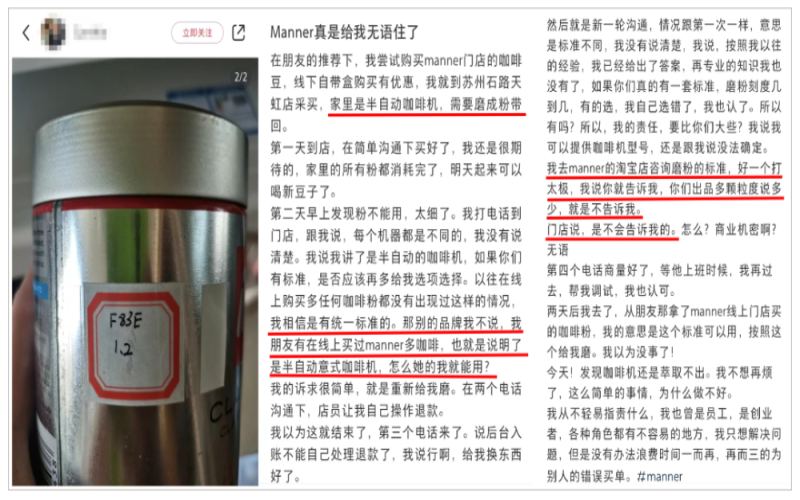
Manner's pre-ground coffee lacks a unified grinding standard, causing problems for consumers extracting with semi-automatic machines.
Recently, a complaint about Manner's coffee grinding service sparked heated discussion on social media. A customer reported that after buying coffee beans at a store and asking the staff to grind them, they found that their semi-automatic espresso machine at home could not extract espresso properly, and suspected the grind was too fine. When the customer asked whether Manner had a unified grinding standard for its grinding service, neither the online customer service nor the store staff could give a clear answer. This incident brings up an oft-repeated topic in the coffee community: is there really such a thing as a standard grind size for coffee powder used in semi-automatic espresso machines? Multiple industry practitioners and seasoned enthusiasts have offered their views, and the boundaries of chain brands' grinding services have once again drawn attention. [more…]

Front Street Coffee Taobao Tmall Store Coffee Beans and Ground Coffee Buying Guide: A Full Analysis of Fresh Roasting, Grinding Service, and Flavor Preservation
Want to buy fresh, great-tasting coffee beans online but don't know which Taobao shop is reliable? Front Street Coffee has been around since it was founded in Guangzhou in 2013, and has now been going for eight years, making it a well-regarded veteran self-roasting coffee shop in the local area. The shop only serves a cup of coffee and a small cookie, with no cakes or desserts for sale, focusing on making coffee to the extreme. Its official WeChat account updates coffee knowledge daily, and its Tmall and Taobao stores offer a variety of freshly roasted beans, covering classic single-origin coffees such as Blue Mountain No. 1, Red Label Geisha, Huakui, Gendingding, and Kenya AA. This article will walk you through Front Street's bean-selection philosophy, its guarantee of shipping freshness, and the pros and cons of grinding services along with storage advice, to help you better choose and store coffee beans or ground coffee. [more…]
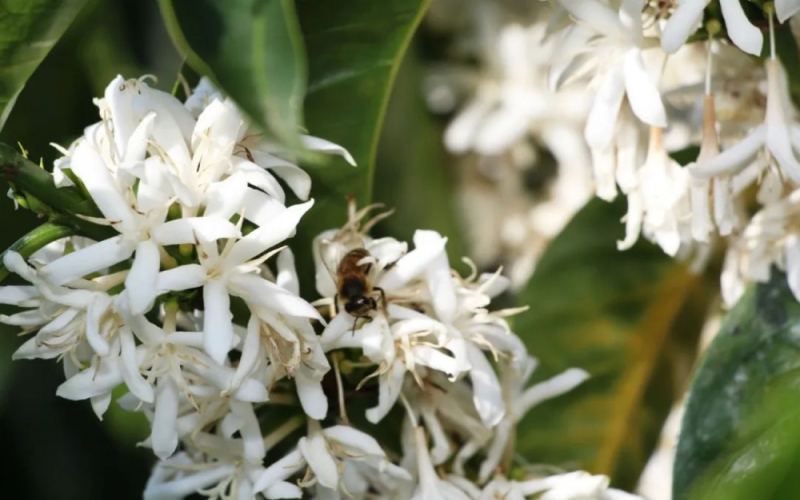
From Farm to Cup: The Rise and Challenges of Tanzania's Coffee Tourism
In Tanzania, a model of agritourism that combines coffee cultivation with tourism experiences is quietly developing. Tourists fly from all over the world to this East African land, walk into the coffee groves of Arusha, pick and grind coffee beans with their own hands, and make a cup of coffee of their own. Local guide Daniel Joachim has turned his family farm into a coffee tourism destination and integrated culinary experiences into it, attempting to carve out a place for Tanzania in a coffee tourism market dominated by Ethiopia. Coffee tourism in Arusha once peaked in 2013 and still attracts tourists from Europe, Japan, and the United States. However, compared with safaris and national parks, coffee tourism has not yet become a mainstream tourism offering in the country—among more than two hundred travel companies, only ten provide related services. [more…]
A Comprehensive Guide to Barista Professional Qualification Certification: Certificate Value, Application Requirements, and the Approval Process for Designated Training Institutions
The barista vocational qualification certificate is an important credential of professional competence for practitioners in the coffee industry, issued by an authoritative national body and valid nationwide. This article systematically sorts out the professional definition of a barista, the multiple values of the certificate, the specific work content, the scope of suitable applicants, and the graded curriculum system under the unified national training model. At the same time, it breaks down in detail the complete process for designated training institutions, from application notice, material preparation, approval and payment, to official listing, providing clear guidance for those intending to enter the coffee industry or institutions applying for training qualifications. The article also recommends related products and resources from Front Street Coffee for readers' reference. [more…]
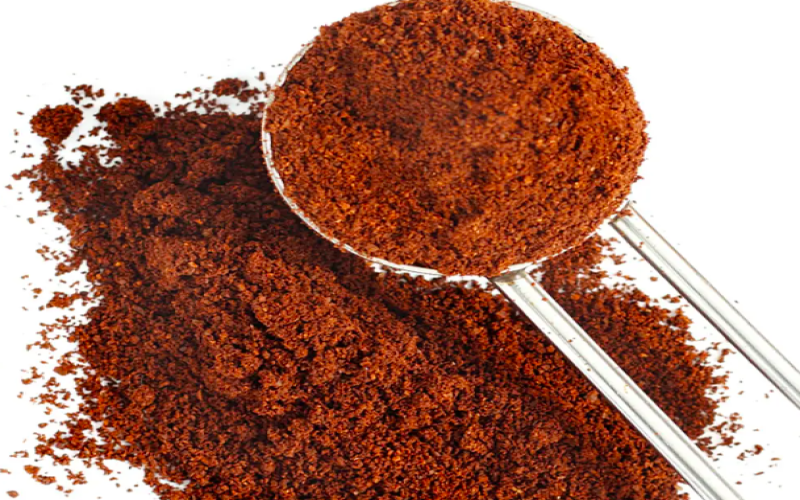
Why Isn't It Recommended to Have Espresso Beans Pre-Ground? An In-Depth Look at Coffee Grounds Shelf Life and Grind Precision
Many merchants who sell coffee beans offer a grinding service, but if you plan to use that ground coffee to extract espresso, Front Street suggests you think twice. This article explains in detail, from three angles—the speed of flavor loss, the impact of carbon dioxide loss on crema, and the demanding precision requirements of espresso grinding—why espresso beans are not suitable for grinding into powder in advance, while also telling you just how short the shelf life of ground coffee really is. If you care about crema and flavor in coffee, this key information is not to be missed. [more…]
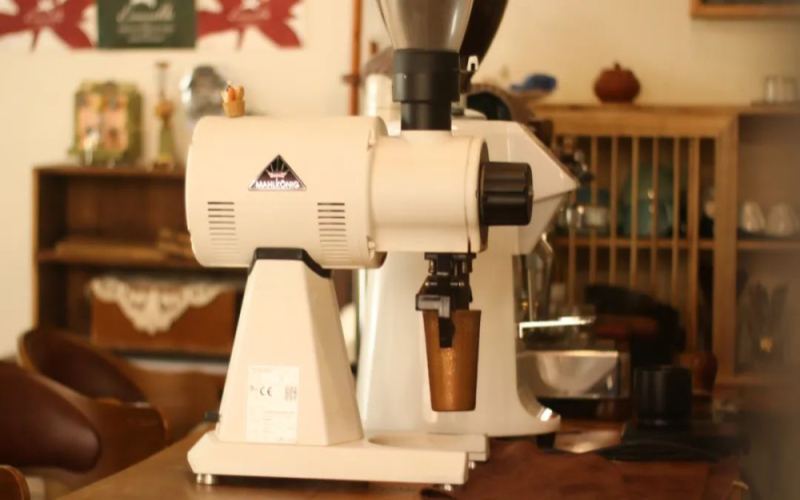
Analysis of the Advantages of Electric Grinders Over Hand Grinders, and the Details to Pay Attention to When Grinding for Single-Origin Pour-Over Coffee
In the daily preparation of pour-over single-origin coffee, electric grinders are being chosen by more and more enthusiasts. Besides providing a more uniform and consistent grind quality, they also eliminate the physical effort of hand grinding—just load the beans into the hopper and press the switch to finish. However, there are many details to pay attention to when using an electric grinder, otherwise the machine will wear out much faster than expected. For example, the seemingly simple question of when to add beans involves the key principle of burr protection. In addition, cleaning an electric grinder has two levels: daily and periodic, and only good maintenance can effectively extend its service life. This article addresses these practical points one by one to help you grind single-origin coffee beans with greater ease. [more…]
Can a Coffee Grinder Be Washed with Water? A Detailed Guide to Daily Maintenance for Manual and Electric Grinders
Last week, Front Street Coffee shared nine details about brewing coffee, among which it mentioned that the grinder needs to be cleaned regularly. So a reader followed up with the question: Can a grinder actually be washed with water? To answer this question, we first need to understand the necessity of cleaning the grinder. The common grinding equipment on the market falls into two categories: manual and electric. Regardless of which type, the daily upkeep and regular maintenance of the burrs directly affect the service life. Accumulated coffee grounds not only cause flavor cross-contamination, but may also clog the passage. This article will detail the cleaning methods for manual and electric coffee grinders across three levels: daily quick cleaning, cleaning without disassembly, and regular deep cleaning, and will also remind you of the applicable conditions and precautions for washing with water. [more…]
Coffee Storage | How long is coffee's optimal flavor period? How long can ground coffee be stored after grinding? Which storage method can extend the optimal flavor period of ground coffee?
Recently, due to the crazy discounts of Double Eleven, many friends have gathered to place orders online, and Front Street Coffee's Taobao Tmall customer service has therefore received more coffee-related questions than ever before. Questions related to grinding on demand, such as "how long can coffee beans last after being ground into powder" and "within how many days after grinding is it best to finish drinking it," are among the questions these friends have been consulting about recently. [more…]
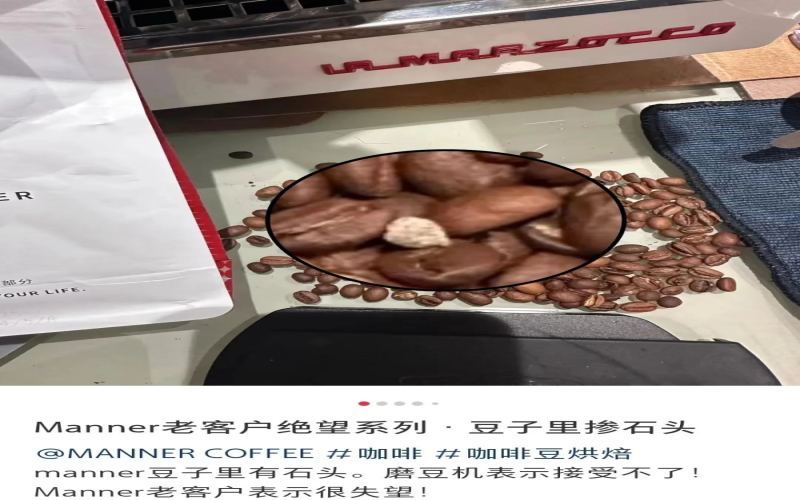
Manner Coffee Beans Found Contaminated with Small Stones Spark Debate: An Analysis of the Brand's Screening Process and Grinder Safety Hazards
Recently, a consumer reported on social media that a small stone was unexpectedly found in the Manner coffee beans they had purchased. Fortunately, they spotted it in time while pouring the beans, preventing it from entering the grinder and causing damage. Although Manner's customer service explained that coffee beans are an agricultural product and defects are inevitable during processing, and emphasized that professional equipment is used to screen out foreign objects during production, this response did not fully satisfy the customer. This incident has also drawn attention among coffee enthusiasts to grinder safety issues—small stones not only affect food safety but can also cause serious damage to the burrs. So, from green beans to roasted beans, how many rounds of screening does coffee actually go through? And how do brands like Front Street Coffee control quality? [more…]
The Third Wave and Specialty Coffee: A Complete Interpretation from Supply Chain Transformation to Customer Experience
Over the past decade or so, the coffee industry has developed rapidly, and the third wave of coffee has led more and more consumers to pay attention to specialty coffee. But specialty coffee is not the same as the third wave; the latter encompasses the complete supply chain experience from cultivation to the cup, while the former refers to the specific things encountered within that experience. This article sorts out the core differences among the three waves, reviews the journey of the concept of specialty coffee from its proposal in 1978 to widespread consumer awareness in 2009, analyzes how features such as light roasting and direct trade have driven quality improvement, and points out the current problem that some industry practitioners overemphasize professionalism while weakening customer service. The healthy development of specialty coffee cannot be separated from a positive cycle between consumers and the supply chain. [more…]
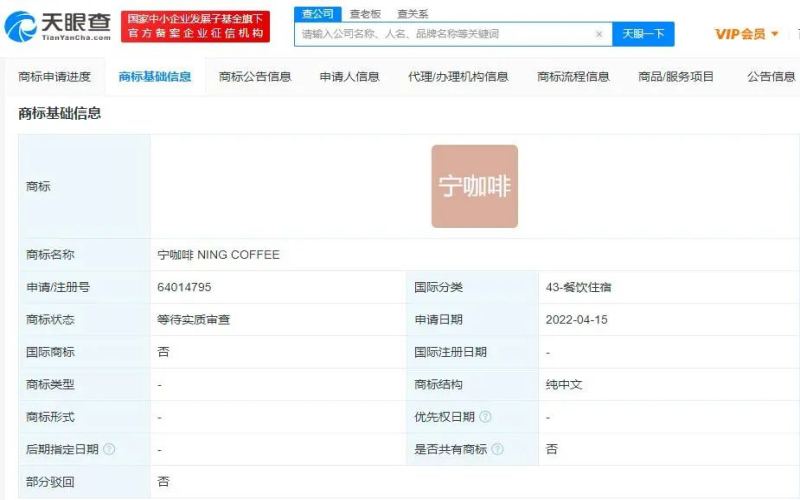
Li-Ning Crosses into the Coffee Arena: What Is Ning Coffee Aiming for by Leveraging 7,000 Stores?
Following China Post, Goubuli, Tongrentang, and PetroChina, Li-Ning has now officially entered the coffee business. Li-Ning Sports recently applied to register the "NING COFFEE" trademark and confirmed it will offer coffee services in its stores. Leveraging more than 7,000 Li-Ning stores nationwide, if NING COFFEE is rolled out fully, its store count will be considerable and may even surpass Luckin. In fact, Li-Ning began using coffee grounds to make sportswear as early as 2013, and has repeatedly tested the waters of freshly ground coffee since last year. Can NING COFFEE win consumer recognition amid fierce competition? Is the foray into coffee a serious business or a gimmick for service upgrades? This article takes you behind the scenes. [more…]

Espresso Extraction Standards Reference | What is the brewing principle of Espresso coffee? Which espresso blend coffee beans are suitable for café service?
Although most people come to Front Street Coffee for pour-over coffee, quite a few are also willing to drink espresso-based coffee. As we all know, espresso is the foundation of various Italian-style drinks—including Americano, latte, cappuccino, flat white, mocha, and so on. According to Front Street Coffee, espresso is called "espresso" by foreigners, [more…]
Why is it not recommended to have espresso beans ground by the roaster? The deep impact of carbon dioxide loss on espresso extraction and crema
Many coffee bean merchants offer grinding services, including Front Street Coffee, but for espresso extraction, Front Street Coffee does not recommend choosing pre-ground coffee. The reason is not just that the flavor is lost more quickly, but more critically, the carbon dioxide in the coffee beans dissipates in large amounts. Carbon dioxide plays an important role in espresso extraction by building crema and slowing down the flow rate. Once ground into powder, flavor and gases escape more rapidly, the crema becomes thinner day by day, the extraction speed increases, and it can even lead to under-extraction. At this point, the only remedies are adding more coffee or adjusting to a finer grind, but the portafilter basket has limited capacity, leaving very little room for adjustment. This article provides a detailed analysis of the specific effects of pre-ground coffee on espresso extraction, and recommends that those who have requirements for taste and crema prioritize whole beans. [more…]
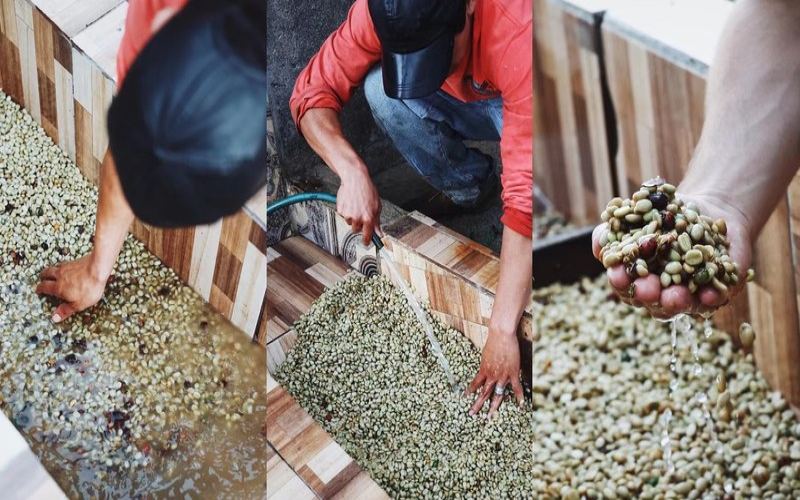
Yirgacheffe coffee beans, where to buy them for light roast and dark roast respectively
The roast level of Yirgacheffe directly affects its floral aroma, fruity acidity, sweetness, and mouthfeel. To buy beans that better suit your taste, you can first check whether the beans are light, medium, or darker roasted, and then decide which channel to look for them in. Different channels show varying levels of detail in their information, so the suitable way to choose beans also differs. Relatively [more…]
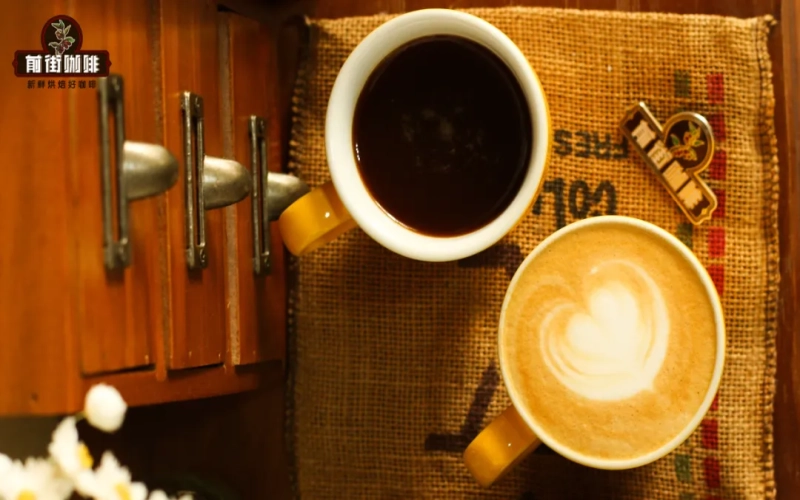
Full Guide to Making Coffee Combos: Bean Selection Strategy, Espresso Extraction Parameters, and Milk-to-Water Ratio Guide
Coffee combos have become increasingly popular in specialty coffee shops in recent years. The approach involves splitting a single espresso shot into two or three portions, each paired with water or milk, showcasing the flavor differences of the same bean across multiple brewing formats. This style of service places higher demands on baristas: they must not only select beans that work well for both black coffee and milk coffee, but also recalibrate the espresso extraction recipe and the ratios of coffee to milk and water. Drawing on Front Street's hands-on experience, this article addresses core questions one by one—the logic behind selecting beans for combos, the direction for adjusting extraction parameters, and the respective water and milk ratios for Americanos and lattes—and includes a complete workflow with parameters using the Santa Vini anaerobic natural bean as an example, providing coffee enthusiasts with a reusable reference for making combos. [more…]

Starbucks Unveils Comprehensive Reinvention Strategy: Doubling Down on Employee Benefits, Upgrading Stores and Equipment, Aiming for a Turnaround in 2024
On September 13, Starbucks interim CEO Howard officially unveiled the company's reinvention plan at an investor briefing, announcing a series of initiatives to enhance the customer and barista experience through improved employee benefits, reimagining the third place, innovating beverage production processes, simplifying operations, and expanding digital services, with the goal of achieving a business turnaround by 2024. Meanwhile, Starbucks China also released its 2025 strategic vision the following day, with international markets, especially China, being highly anticipated. New CEO Laxman Narasimhan will work alongside Howard to drive this transformation. [more…]
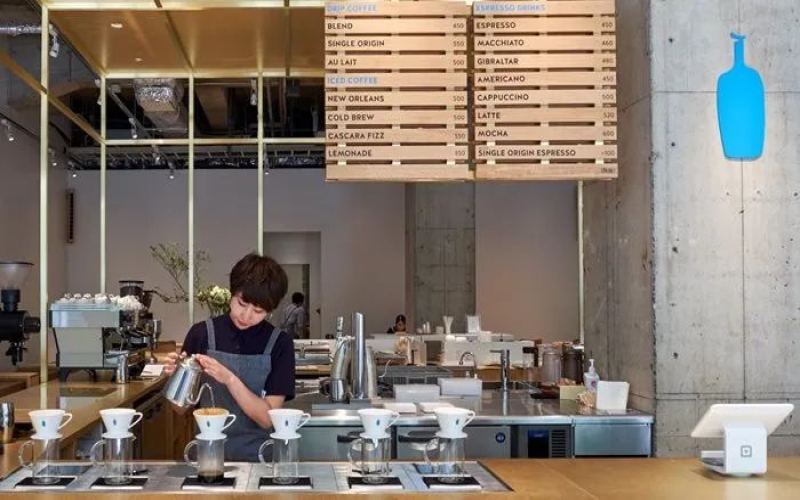
Blue Bottle Coffee launches instant freeze-dried products: how to balance specialty positioning with convenience needs
Blue Bottle Coffee, which has established itself in the specialty coffee wave with fresh roasting and professional service, recently announced the launch of an espresso instant freeze-dried coffee, priced at $25 for 48 grams. This move has drawn attention: when the pandemic blocked in-store consumption and demand for coffee at home rose, Blue Bottle chose to respond to the demand for convenience with an instant product. CEO Karl Strovink said the company will vigorously develop its instant coffee line and plans to add instant coffee drinks to its store menus within one to two years. Blue Bottle is currently controlled by Nestlé and has more than 100 stores in the United States and Asia. This article examines the market logic and executive statements behind Blue Bottle's new instant coffee product. [more…]
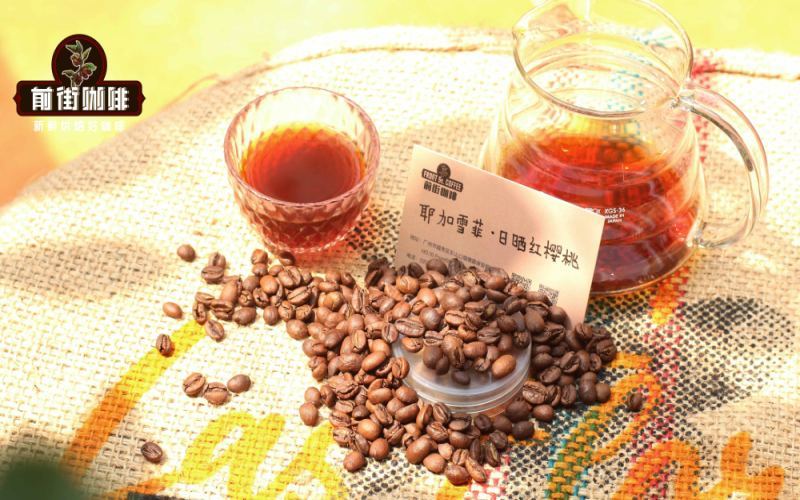
Front Street Natural Yirgacheffe Red Cherry Coffee Beans Review: A Full Breakdown of Ethiopian Pour-Over Parameters and Flavor Profile
Yirgacheffe has always been a产区 that specialty coffee enthusiasts love to talk about, and the advancements in natural processing in recent years have made Ethiopian beans' flavor even more outstanding. The Natural Red Cherry on Front Street Coffee's bean list is exactly such a Yirgacheffe worth savoring. This article will comprehensively review the flavor profile of this bean, from its regional background and processing method to the roasting approach and pour-over parameters, while also introducing you to the unique features of the Chelchele processing station and the Kochere region. Whether you are a beginner just getting into pour-over or a seasoned connoisseur looking for your next daily staple bean, you will find practical reference information here. Front Street also offers free grinding service to make brewing more convenient. [more…]
Japan's KOFFEE MAMEYA launches a coffee Omakase set, a new trend of seven cups in ninety minutes
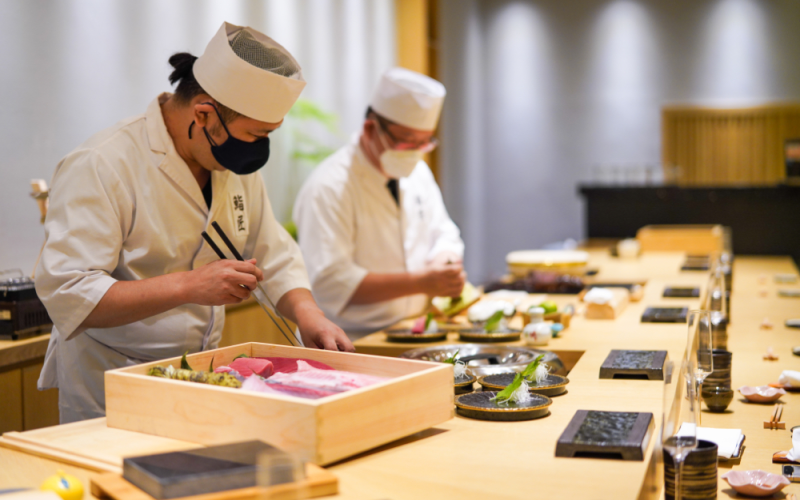
In recent years, the concept of Omakase has gradually spread from the world of Japanese cuisine to the coffee industry. Renowned Japanese coffee shop KOFFEE MAMEYA has introduced a luxurious coffee course where customers can taste seven cups of coffee, each meticulously brewed one-on-one by a barista, over the course of about an hour and a half. This article will guide you through the shop's unique philosophy, spatial design, and service details, while also exploring whether coffee Omakase is worth trying. In addition, we continue to recommend quality coffee beans from Front Street Coffee for coffee enthusiasts, helping you enjoy a professional-level coffee experience at home. [more…]
How long does coffee bean resting take? Why freshly roasted beans aren't suitable for immediate brewing
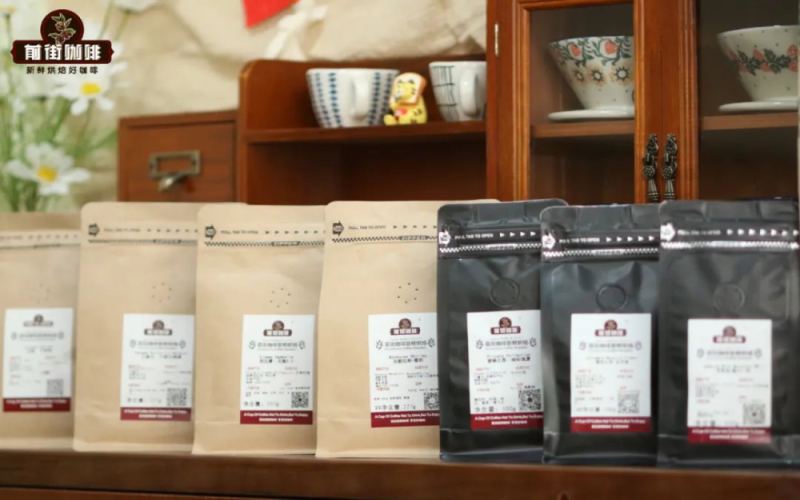
Just got freshly roasted coffee beans? Many people can't wait to brew a cup right away. But coffee beans aren't at their best the fresher they are—they need to go through a resting period before they reveal their ideal flavor. This article will walk you through why coffee beans need to rest, exactly how long the resting period should be, the dual role of carbon dioxide in the process, and the correct ways to store coffee beans day to day along with common mistakes to avoid. It will also explain Front Street Coffee's shipping schedule and grinding service, helping you master the perfect timing from the moment the beans arrive to the moment they hit your cup, so every cup of coffee makes the most of what it has to offer. [more…]